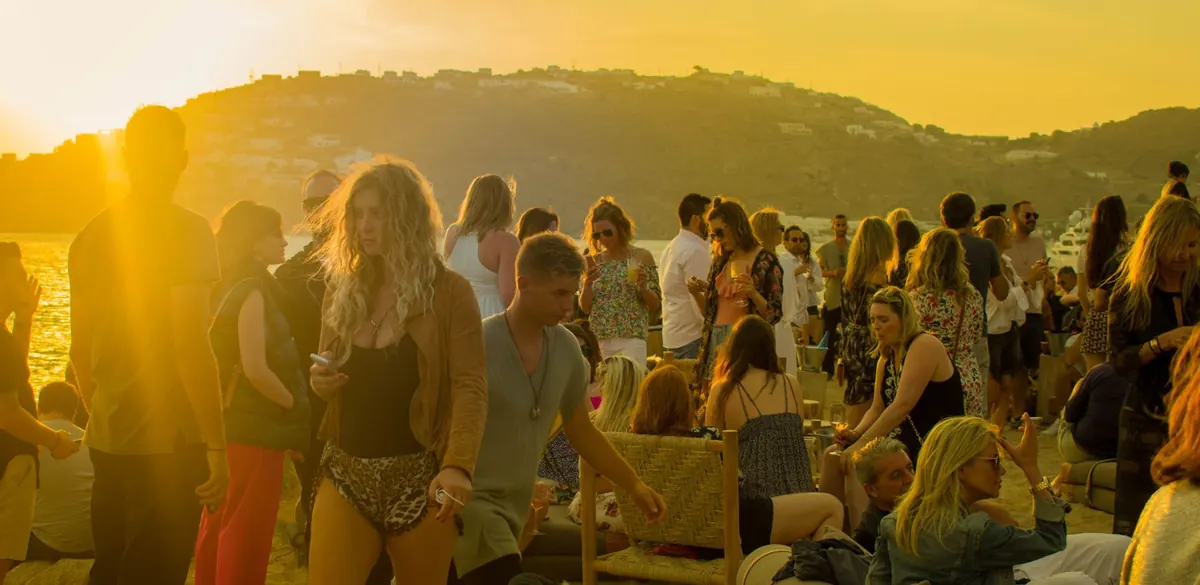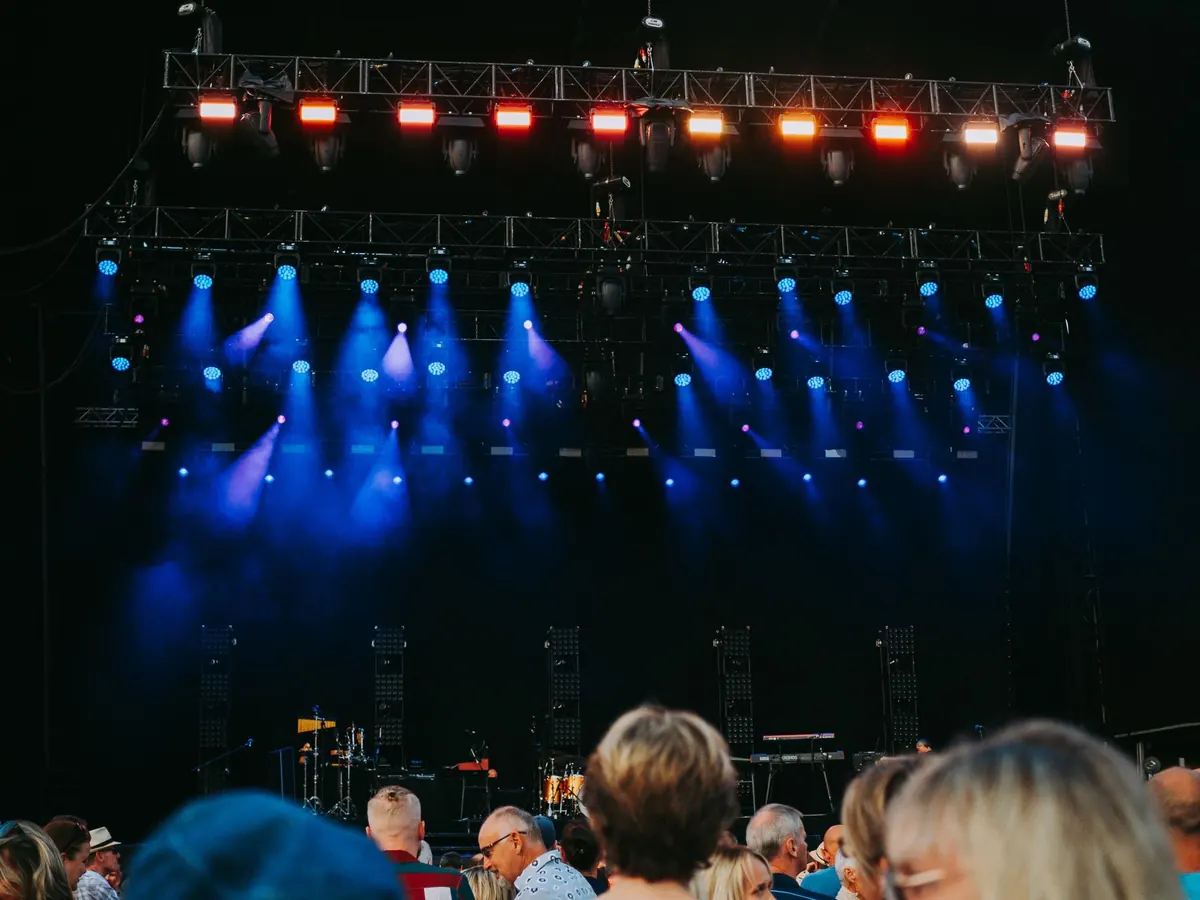
A summer evening concert in Norfolk is one of the cheapest good nights out the city offers. You carry in a chair, claim a patch of grass with a view of the water, and by the second song you are chatting with the people beside you. The music is often free. The logistics are the part that trips people up.
What follows is a practical read on how the season usually works, what to pack, where to sit without annoying anyone, and what to do when the forecast flips five minutes before the downbeat. Lineups and start times shift from year to year, so confirm details with the organizer during the week of the show.
The shape of the season
Norfolk's summer calendar tends to fall into three buckets, and knowing which one you're headed to changes everything about how you plan the night.
- Free series at public parks and waterfront spaces. Town Point Park downtown and the beach park in Ocean View anchor much of it, with smaller neighborhood bandstands filling in the rest. These usually run on weeknights, start in the late afternoon or early evening, and wrap up around dusk.
- Ticketed shows at larger venues and pavilions. Gates open well before the first note, bags get checked, and open lawn may or may not be part of the deal.
- One-off festivals and holiday programs. Harborfest, the Fourth of July celebration on the downtown waterfront, and the food-and-music weekends that take over Town Point Park. Bigger crowds, bigger footprint, earlier arrival.
Pay attention to the difference between "doors" and "music." At ticketed shows that gap can run an hour or more, which matters if you're bringing kids or standing in full sun.
Seating without starting a turf war
Every series has its own seating culture, and reading it early saves you either a bad spot or a dirty look.
Low chairs and blankets, mostly
On a lawn, low-back folding chairs — the kind that sit a few inches off the ground — are the quiet courtesy. Tall camp chairs block sightlines for everyone behind you. Most organizers don't ban them; they just expect you to sit toward the back or off to one side. If tall chairs are all you own, take the edges.
Blankets mark territory; they don't hold it
A blanket reserving a prime patch for three hours while its owner wanders the food trucks is the most common friction point at any free series. If you want a good spot, arrive early and stay. Saving space for friends is fine within reason — keep the footprint small and don't string tarps across half the lawn.
Aisles are not seats
Leave walking paths, ramps and emergency lanes clear. The same goes for the strip directly in front of the stage. Sitting there is the outdoor equivalent of standing in someone's living room window.
One more note: if the show is on a hard surface — a plaza, a pier, a concrete step — bring a cushion. That surface gets hard fast, and you'll be there for two hours.
What to put in the bag
- A low-back chair or a thick blanket, plus a small cushion.
- Water in a refillable bottle. Some venues have filling stations; plenty don't, so don't bank on it.
- A layer for after sunset. The river breeze makes 8 p.m. feel nothing like 4 p.m.
- Sunscreen and a hat for early shows; insect repellent for parks near the water at dusk.
- Cash and a card. Food trucks and merch tables vary in what they accept.
- A small trash bag. Bins overflow on busy nights, and packing out what you packed in is the whole game.
- A light poncho rather than an umbrella. Umbrellas block views on a crowded lawn, and in lightning they are a genuinely bad idea.
Check the venue's rules on coolers, alcohol, glass and pets before you load the car. Those rules vary by series and sometimes by night, and gate staff do enforce them.
When the weather changes its mind
Summer storms here build quickly, and outdoor shows have a narrow window before someone has to make a call.
Heat
Shade is scarce at an early show. Drink water before you arrive, not just while you're there, and take breaks from the sun during intermission. If you feel dizzy or nauseated, leave the crowd and find help. That is not a rough patch to push through, and it is worth saying out loud to whoever you came with.
Storms and lightning
If thunder rolls, most organizers pause the show and clear the lawn, often waiting a set period after the last strike before resuming. Don't wait for a formal announcement to start moving toward real shelter — a car or a solid building, not a tree or an open picnic shelter. Metal bleachers and exposed piers are the worst places to ride it out.
Rain plans
Ask beforehand what happens if it rains: refund, reschedule, or rain or shine. Some series move indoors to a hall or civic auditorium; others simply cancel. Free shows usually cancel rather than schedule a makeup date, so keep a backup in mind — dinner nearby, a movie, or a different night on the calendar.
Free shows worth planning around
Free is the best price there is, and the quality is often better than people expect. Parks departments, libraries, museums and neighborhood associations all host summer music, and the city's events office usually publishes the most reliable single season calendar.
A few habits make free nights smoother. Arrive 45 minutes early if a popular local act is playing, since the lawn fills from the front. Park a few blocks out and walk rather than circling a lot. And check whether a series runs weekly or on a rotating schedule — some alternate parks or nights, which is easy to miss.
Getting in and out
Parking is the real tax on a free concert. Downtown shows mean garages and decks, with street parking gone by early evening. Neighborhood bandstand shows are far friendlier on foot or by bike, and arriving that way often puts you closer to the stage than the drivers.
Etiquette stays simple: keep your conversation quieter than the band, watch kids near the stage edge, and don't stand in front of seated rows to dance unless everyone else already is. When it ends, either leave in the first ten minutes or wait it out and let the lot drain.
Make it a habit, not a hassle
The people who get the most out of Norfolk's summer music are the ones who stop treating it as an event. Keep a chair and a blanket in the trunk. Check the calendar on Sunday, pick one night that week, and go. Bring a friend who has never been, split a plate from whichever truck has the longest line, and stay for the last song. Bring a jacket, keep an eye on the sky, and the season takes care of the rest.
Photo: Lisa Fotios / Pexels