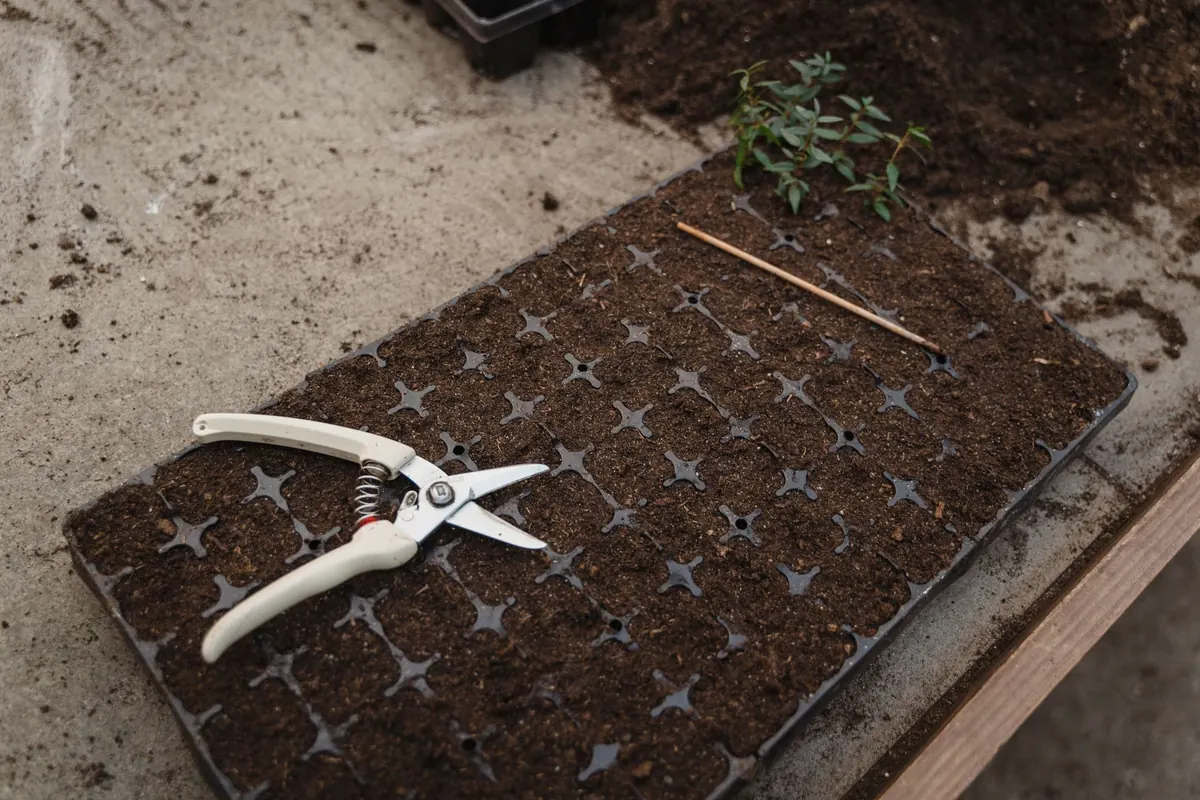
Norfolk's spring arrives in fits and starts. One week you're pruning the crepe myrtles in a light jacket; the next, a nor'easter blows through and the tomato seedlings on the windowsill start to look like wishful thinking. The gardeners who do well here don't fight that rhythm. They plan around it, with a calendar and a soil thermometer instead of hope.
What follows is a working checklist for the season: how to get beds ready, what to plant when, and which crops reward a little patience. Treat the dates as ranges rather than rules. Every yard has its own microclimate, and a raised bed against a south-facing brick wall will run a week or two ahead of a plot near the water.
Start With the Frost Calendar, Not the Seed Catalog
Norfolk sits in a mild coastal pocket, which is both a gift and a trap. Our average last frost falls somewhere between late March and mid-April, and the first hard frost usually holds off until November. That's a long season by almost any standard. It also means a warm afternoon in early March can convince you to set out peppers that will sulk for a month.
Air temperature tells you only part of the story. Seeds germinate on soil temperature, and cold, wet ground rots more seed than frost ever does. A five-dollar soil thermometer pays for itself in the first season. Here's roughly what to wait for:
- 40°F and up: peas, spinach, lettuce, kale, radishes
- 50°F and up: carrots, beets, chard, onion sets, potatoes
- 60°F and up: beans, corn, cucumbers, squash
- 65°F and up: tomatoes, peppers, eggplant, okra, sweet potatoes, basil
Check the soil in mid-morning, two inches down, for three days in a row. That reading is more reliable than any date on a packet.
Prep the Soil Before You Plant a Thing
Skip this step and you'll spend the summer wondering why everything looks tired. Local soil varies block by block — sandy near the dunes and tidal creeks, dense clay in older neighborhoods, and often both in the same yard. Each has different needs, so start by finding out what you're working with.
- Test the soil. A basic test through your local extension office will tell you pH and nutrient levels. Most vegetables want a pH between 6.2 and 6.8, and it's far easier to correct that in March than in June.
- Add organic matter. Two to three inches of finished compost worked into the top six inches improves sand and clay alike. It holds water in the sand and opens up the clay.
- Don't dig wet soil. Squeeze a handful. If it forms a ribbon that holds its shape, wait a few days. Working it wet destroys the structure you spent all winter building.
- Build up, not down. Raised beds drain faster and warm earlier, which matters in low-lying spots after a heavy spring rain.
- Sort out drainage now. If water stands for more than a day after a storm, plant in containers or raised beds rather than fighting it.
March Through May: What to Plant and When
March
This is the cool-season window, and it's wider than most people use. Direct-sow peas, spinach, lettuce, radishes, carrots and beets as soon as the ground can be worked. Set out transplants of broccoli, cabbage, kale and collards. Onion sets and seed potatoes go in now too — plenty of gardeners here still aim for potatoes around St. Patrick's Day, and it's as good a reminder as any.
April
Our transition month. Keep sowing lettuce, carrots and beets in small batches, and add chard, dill and cilantro. Hold off on tomatoes and peppers until the second half of the month at the earliest, and only then if you have row cover or a cold frame ready. A late cold snap in April is common enough to plan for.
May
Once the soil holds at 65°F, the warm-season crops can go in: tomatoes, peppers, eggplant, okra, sweet potatoes, basil, beans, corn, cucumbers, squash and melons. This is the busiest planting month of the year, so have your supports and trellises up before the seedlings need them.
Starting Seeds Indoors Without Guesswork
Work backwards from your last frost date. Tomatoes need six to eight weeks indoors before they go out. Peppers and eggplant need eight to ten. Brassicas like broccoli and cabbage need four to six, and they'd rather be set out slightly young than root-bound.
Light is the limiting factor indoors. A bright south window is usually not enough for stocky seedlings; a simple shop light kept an inch or two above the leaves for fourteen hours a day works far better than a sunnier sill in February. Bottom heat helps peppers and eggplant germinate, and once they're up, cooler room temperatures keep them from stretching.
Then comes the part most people rush: hardening off. Move seedlings outside for an hour in shade on the first day, then add an hour and a bit more sun each day for a week to ten days. Rushing this turns a month of indoor work into sunscald in an afternoon. Water them before they go out, not after.
Five Spring Mistakes Worth Avoiding
- Planting tomatoes in cool soil, then wondering why the leaves turn purple and growth stalls.
- Watering a little every day instead of deeply once or twice a week. Shallow watering builds shallow roots.
- Leaving bare soil. Two to three inches of mulch holds moisture and stops the spring weed flush before it starts.
- Planting mint, lemon balm or oregano straight into a bed. Keep the aggressive herbs in pots.
- Ignoring the label spacing. Norfolk's humidity punishes crowded plants with mildew and poor airflow.
Keep It Going Past Spring
Spring planting is really the setup for everything that follows. Once the beds are full, switch to a rhythm rather than a single push. Sow lettuce, radishes and beans in small batches every two to three weeks so the harvest doesn't arrive all at once. Pinch basil to keep it bushy. Feed heavy producers like tomatoes and squash lightly and regularly rather than in one big dose.
Water in the morning when you can, aiming for about an inch a week including rain, and water the soil rather than the leaves. As May heat settles in, mulch everything, check your supports after storms, and keep an eye out for early aphids and squash bugs — catching them in spring is far easier than chasing them in July.
And keep a notebook. One line a week about what you planted, what the weather did, and what worked will be more useful to you next March than any calendar. Norfolk gardens are made over several seasons, not one, and the growers who learn their own patch best are the ones eating tomatoes while everyone else is still waiting for the ground to warm up.
Photo: Tima Miroshnichenko / Pexels