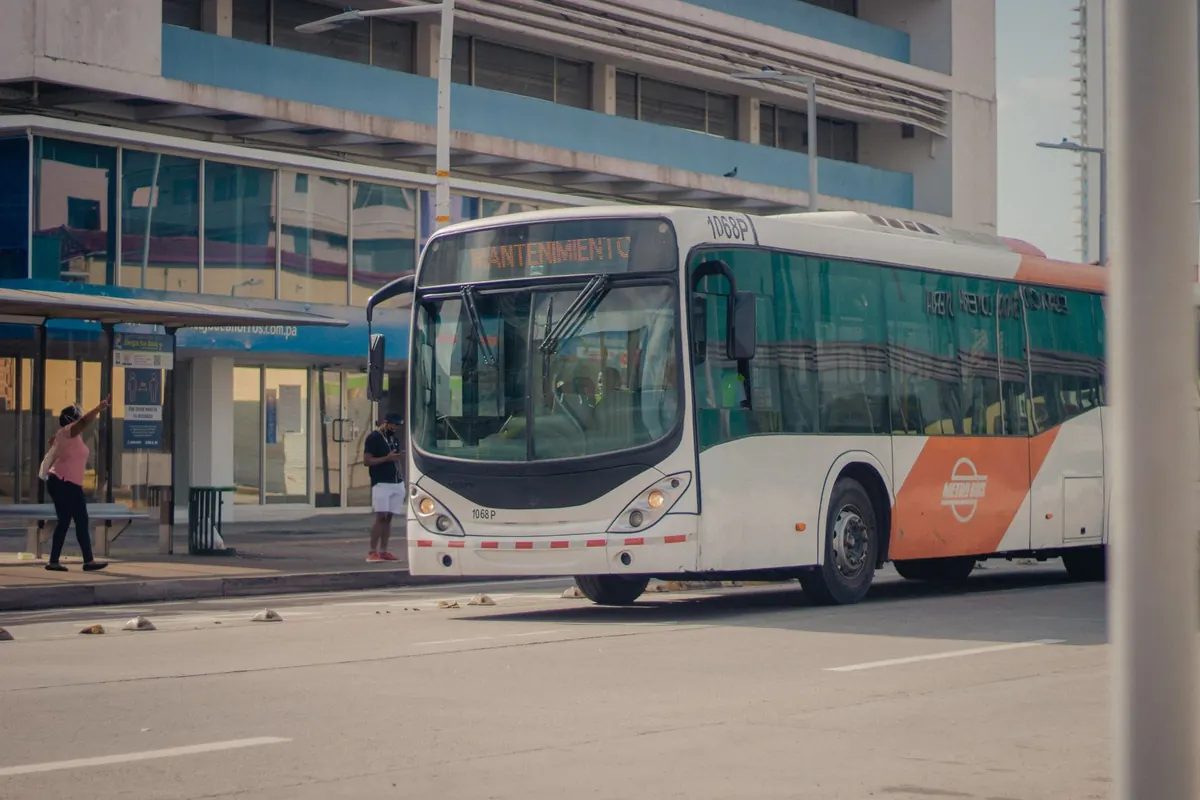
Norfolk has a reputation as a car city, and on a wet Tuesday on Military Highway it can feel like one. But plenty of people here live without a car — students, sailors on shore duty, downtown renters, retirees in Ghent who sold the second vehicle years ago. What they have in common isn't a heroic commitment to lycra or patience. It's a handful of small habits, learned in the first month, that turn a scattered bus map into a routine.
Start With the Bus, Because It Goes Almost Everywhere
Hampton Roads Transit runs the bus network, and it is the workhorse of car-free life here. Routes fan out from downtown, run up Granby Street through Ghent, push north to Wards Corner and Ocean View, and cross the water to Portsmouth, Chesapeake, Hampton and Virginia Beach.
The thing nobody tells you is that frequency matters more than coverage. A route that comes every fifteen minutes at rush hour and every forty-five minutes after eight in the evening is really two different routes, depending on the hour. Before you sign a lease based on a bus stop outside the door, look up the timetable for the exact time you'd actually be travelling — a weekday morning, not a Saturday afternoon.
Two more things worth checking on any route you plan to rely on:
- Whether it runs on Sundays. Several do, but less often.
- When the last trip of the night leaves your stop. This single number shapes your social life more than anything else.
The Tide and the Ferry Cover Specific Gaps Well
The Tide, Norfolk's light rail line, runs from the medical centre complex through downtown and out to Newtown Road, with a stop at Harbor Park — handy if you're catching an Amtrak train north. It's a single line, so it won't solve your whole commute, but if you live or work anywhere along it, it's fast, predictable and unaffected by bridge traffic.
The Elizabeth River Ferry is the underrated one. It crosses between downtown Norfolk and Olde Town Portsmouth in a few minutes, takes bikes, and costs less than most people assume. If your destination is on the other side of the river, it's often the quickest option you have.
Walking Works Better Here Than Newcomers Expect
Norfolk's walkable pockets are real and close together: downtown, Freemason, Ghent, Colonial Place, and the stretch of Ocean View near the beach. Blocks are short, which helps more than it sounds. A twenty-minute walk covers more ground here than in a city with long suburban blocks.
The catch is the seams — the places where sidewalks thin out, or a wide arterial road has crosswalks spaced far apart. Learn your two or three problem crossings early, and figure out where the signalised crossing is. Google Maps' walking directions are decent, but they don't know that a particular corner feels unpleasant after dark. Walk your likely routes once in daylight and once at night before you commit to them.
Biking: Flat Ground, Real Weather
Norfolk is flat, which is the best thing that can be said about any city for cycling. The Elizabeth River Trail links a good stretch of the waterfront and downtown, and bike lanes have been added on several downtown streets.
The honest caveats: summer heat and humidity will decide your schedule for you, afternoon thunderstorms arrive fast, and painted bike lanes are not protected ones. Ride defensively and assume drivers haven't seen you.
- Buy a U-lock, not a cable. Cable locks disappear with the bike.
- Use front and rear lights after dark — local rules generally require them, and drivers genuinely don't see unlit riders.
- Most buses have front-mounted racks. Ask the driver the first time; nobody minds.
- Plan a shower or a change of shirt into any summer commute longer than fifteen minutes.
Fares, Apps and Habits Worth Stealing
Fares and pass options change, so check the transit agency's own website rather than a third-party app for current prices. What doesn't change is the shape of the advice:
- Load your fare before you leave the house. Buying a pass on your phone at the stop, in the rain, with the bus approaching, is how people end up paying cash they don't have.
- Keep a backup payment method. Phones die. A small amount of cash in a jacket pocket has saved more commutes than any app.
- Check the return trip when you leave, not when you want to come home.
- Screenshot your route. Signal gaps downtown and around the naval base are real.
- Learn two ways home. A different bus, a longer walk to the light rail, a ferry plus a bus. Redundancy is what keeps a car-free week from collapsing.
- Use the agency's own app alongside a general mapping app. The mapping app is better at routes; the agency app is better at live delays.
For rideshare, keep it as a backup rather than a plan. It's the most reliable way to make car-free life feel expensive.
Heat, Rain and the Honest Limits
Be realistic about the weather. Norfolk summers are hot and sticky, winters are mild but windy and wet, and hurricane season can shut things down for a day or two. A proper rain jacket and a spare pair of socks in your bag will do more for your quality of life than any timetabling trick.
Also be realistic about the map. Some parts of the city — big-box stretches along the arterials, industrial edges, some newer subdivisions — are genuinely hard without a car. If you're choosing where to live, weight that heavily. If you're already somewhere awkward, build your routine around the one or two trips that matter most: work, groceries, and getting to the hospital.
Your First Week Without a Car
Don't try to go car-free overnight. Spend a week mapping it out instead.
Day one: download the transit agency's app and a general mapping app, and set up a fare account. Day two: ride the route you'll use most, at the time you'll actually use it, even if you don't need to go anywhere. Day three: walk your likely commute and time it honestly. Day four: find your nearest full grocery store and figure out the carry-home plan — a backpack, a folding trolley, or a friend with a car for the big shop. Day five: identify your two backup options for getting home late.
By the end of the week you'll know whether the bus stop near you is useful or decorative, and you'll have a routine that survives a bad day rather than one that only works in perfect conditions. If you have mobility needs or are weighing up a transit pass against the full cost of keeping a car, it's worth talking to the transit agency's accessibility team and, for the financial side, a qualified adviser. Schedules, fares and routes shift — the agency's website is the version to trust.
Photo: Guillermo Quiñones / Pexels